Mexico is one of the world’s largest manufacturing and export economies, but that production depends heavily on goods coming in from other countries. In 2025, Mexico imported $622 billion worth of goods. Some of those imports support products made for the Mexican market, while others become part of goods that are later exported again. Let’s look at Mexico’s top imports to see how closely the country’s manufacturing-heavy economy is tied to suppliers worldwide.
Top suppliers of Canadian imports in 2024:
- United States (MX$4.87 trillion | US$283 billion)
- China (MX$1.82 trillion | US$106 billion)
- Germany (MX$318 billion | US$18.5 billion)
- South Korea (MX$254 billion | US$14.8 billion)
- Japan (MX$236 billion | US$13.7 billion)

Machinery and Computers: MX$3.73 trillion | US$217 billion
Mexico has a large manufacturing economy, but many of its factories rely on imported equipment and components to operate. Computers, telecommunications equipment, industrial machinery, and electronic components are not always produced domestically or in the quantities required. Mexico’s advanced manufacturing regions have helped increase demand for these imports.
Primary Sources: United States, China, Vietnam, Taiwan, and Malaysia
- The United States is Mexico’s biggest source for machinery and computer equipment. The two countries are closely connected via their manufacturing industries. Equipment, computer hardware, and electronic components move across the border regularly. Mexico’s biggest demand comes from manufacturing regions such as Nuevo León, Chihuahua, and Coahuila.
- China has a large electronics manufacturing sector that supplies Mexico with a wide range of computers, telecommunications equipment, machinery, and electronic components. Major production hubs are located across the country, but the Pearl River Delta remains home to some of the industry’s biggest players. Companies like Lenovo, Huawei, and Foxconn manufacture computers and electronic components and ship them to Mexico.
- Vietnam has become a major electronics manufacturing center as more companies expand production there. Companies like Samsung, Canon, and Foxconn all have significant operations in Vietnam.
- Taiwan is an important source of parts for electronics. Taiwanese companies produce chips, motherboards, servers, and networking equipment used in cars, appliances, computers, and industrial machinery. Hsinchu is one of the world’s leading chip manufacturing areas and is home to companies like TSMC and MediaTek.
- Malaysia has a strong electronics industry and is especially involved in chip assembly, testing, packaging, and component production. Penang has been a major manufacturing center for decades. Companies such as Intel, Bosch, and Micron operate there.
Vehicles and Parts: MX$1.61 trillion | US$66.3 billion
Mexico is already one of the world’s largest automotive manufacturing countries, but the industry depends on a huge network of suppliers outside the country. A single vehicle requires thousands of components, and many of those parts move between countries several times before final assembly. Mexico imports engines, transmissions, electronics, batteries, braking systems, and other parts to support its assembly plants, while finished imported vehicles help fill gaps in the domestic market.
Primary Sources: United States, China, Germany, Japan, and South Korea
- The US and Mexico are closely connected through the North American auto industry. Parts can cross the border several times before a finished vehicle is complete. U.S. suppliers provide engines, electronics, braking systems, transmissions, and other parts used in Mexican assembly plants.
- China has become one of Mexico's largest sources of auto parts. Chinese car brands BYD, MG, and Chery have expanded to the Mexican market. China is also a major producer of batteries, vehicle electronics, and electrical systems used in cars.
- Germany is home to major auto brands like BMW, Mercedes-Benz, Volkswagen, Audi, and Porsche. These companies supply finished vehicles and automotive parts to Mexico, along with a large network of component manufacturers. German automakers also operate factories in Mexico, which creates regular movement of machinery, parts, and components between the two countries.
- Along with finished vehicles, Japan supplies Mexico with engines, transmissions, and other automotive electronics used in vehicle production. Toyota, Honda, Nissan, Mazda, and Subaru are all headquartered in Japan. Several of these manufacturers also operate plants in Mexico, which adds another facet to their trade relationship.
- South Korean companies Hyundai and Kia supply Mexico with vehicles and auto parts. Ulsan is home to Hyundai’s largest manufacturing complex, while Kia has major production facilities throughout the country. Both brands also have factories in Mexico. Korean companies Hankook Tire and LG Energy Solution produce braking and steering systems, tires, batteries, electronics, and other components used in Mexican auto manufacturing.
Metals: MX$893.2 billion | US$51 billion
Mexico’s manufacturing and automotive industries require lots of steel, aluminum, and other metals. Construction also adds to that demand, especially as new industrial facilities, rail projects, warehouses, and other infrastructure are built across the country. Domestic production covers part of that demand, but manufacturers still need imported metals to keep factories supplied and access specific specialty materials.
Primary Sources: United States, China, South Korea, and Japan
- American companies supply Mexico with steel, aluminum, and processed metal products used throughout manufacturing and construction. The shared border makes it easier to move heavy materials by truck and rail.
- Mexico imports raw materials, processed metals, and fabricated metal products from Chinese suppliers for use in construction, machinery, appliances, and manufacturing.
- South Korea has a large steel industry tied closely to its car manufacturing. Companies such as POSCO and Hyundai Steel produce sheet steel, specialty steel, and other metal products used in vehicles, appliances, and industrial equipment.
- Japanese producers supply automotive-grade steel and other advanced materials used in industries where strength, consistency, and performance matter most.
Mineral Products and Fuels: MX$725.94 billion | US$41.4 billion
Mexico is an oil-producing country, but its refinery system has historically struggled to meet domestic demand for finished petroleum products, so the country imports large amounts of gasoline, diesel, propane, and other fuels.
Primary Sources: United States and Colombia
- The United States is overwhelmingly Mexico’s largest source of imported fuel, accounting for over 95% of imports in this category. Refineries and energy infrastructure along the Gulf Coast make it easy to move gasoline, diesel, natural gas, and other petroleum products south into Mexico. Texas and Louisiana have some of the world's largest concentrations of refineries, pipelines, and storage terminals. ExxonMobil, Phillips 66, and Chevron all have major operations along the Gulf Coast.
- Colombia is one of Latin America’s largest petroleum producers and the second-largest source of imported mineral fuels to Mexico. Refineries and energy infrastructure along the Gulf Coast make it easy to move gasoline, diesel, natural gas, and other petroleum products south into Mexico. However, Colombia’s imports pale in comparison to fuels from the United States. They account for only 1.4% of Mexico’s imports in this category.
Chemical Products: MX$702 billion | US$39.7 billion
Mexico’s manufacturing economy creates constant demand for imported chemicals. Automotive plants, construction businesses, and other industries all use chemicals as ingredients or production materials. Mexico produces many chemicals domestically, but imports help fill gaps in specialty products, pharmaceutical ingredients, resins, coatings, and other materials.
Primary Sources: United States, China, Ireland, and Switzerland
- The United States is a major chemical supplier because of its large petrochemical industry, especially in Texas and Louisiana. Mexico imports resins, solvents, coatings, additives, and other materials used in manufacturing, packaging, construction, and automotive production.
- China supplies Mexico with industrial chemicals, pharmaceutical ingredients, and other chemical ingredients. Its large manufacturing sector produces both basic chemicals and more specialized products used by manufacturers and healthcare companies.
- Ireland produces medications, pharmaceutical ingredients, and other healthcare products. Many global drug manufacturers operate facilities there, including Pfizer, Eli Lilly, Johnson & Johnson, AbbVie, and MSD.
- Switzerland is another major producer of pharmaceuticals and specialty chemicals. The country is home to well-known healthcare companies and supplies Mexico with medications, pharmaceutical ingredients, and other high-value chemical products.
Mexico’s top imports reflect the needs of a highly connected manufacturing economy. Each category fills a different gap in Mexico’s domestic supply. All of these imports tie back to industries that keep the country a top exporter. Machinery keeps factories running, imported parts support vehicle production, and metals feed multiple industries.
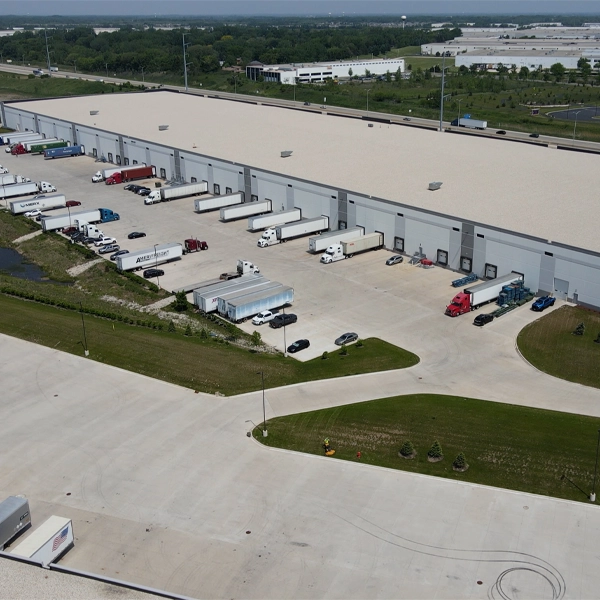
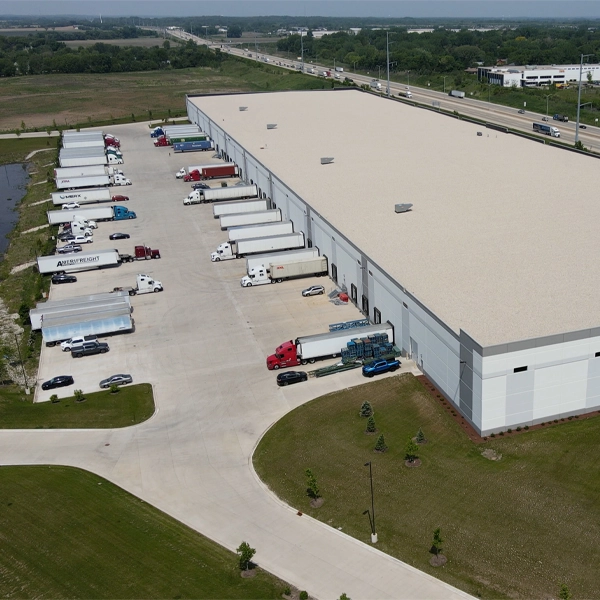
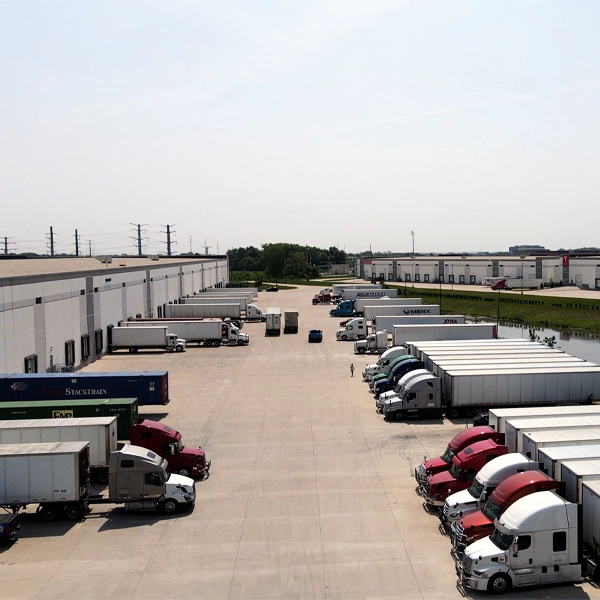
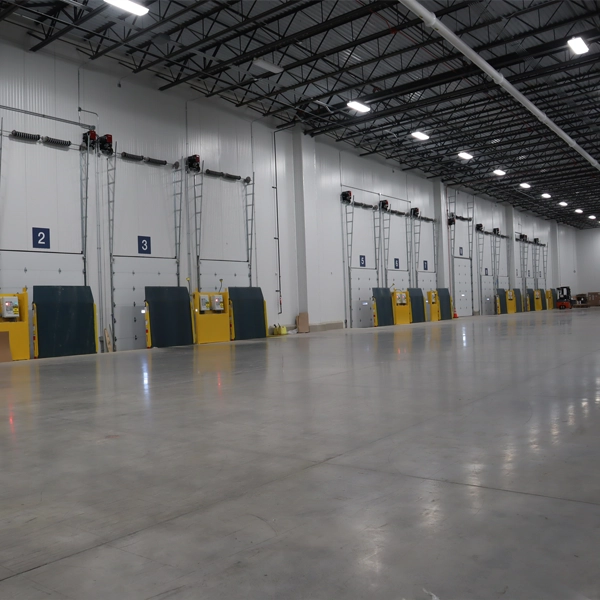
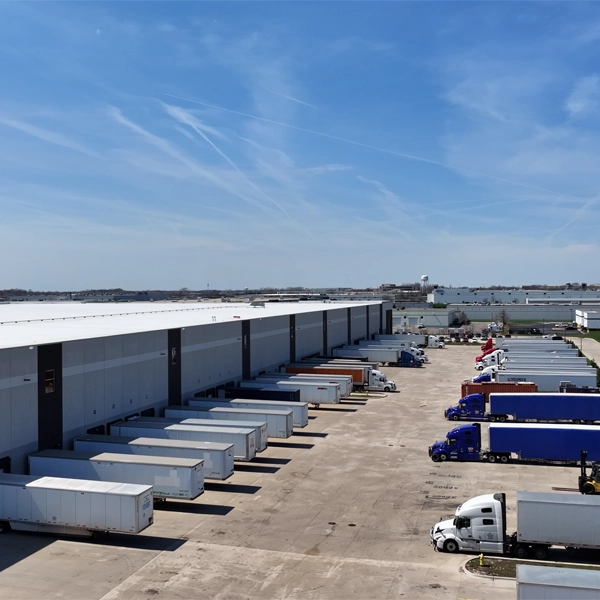
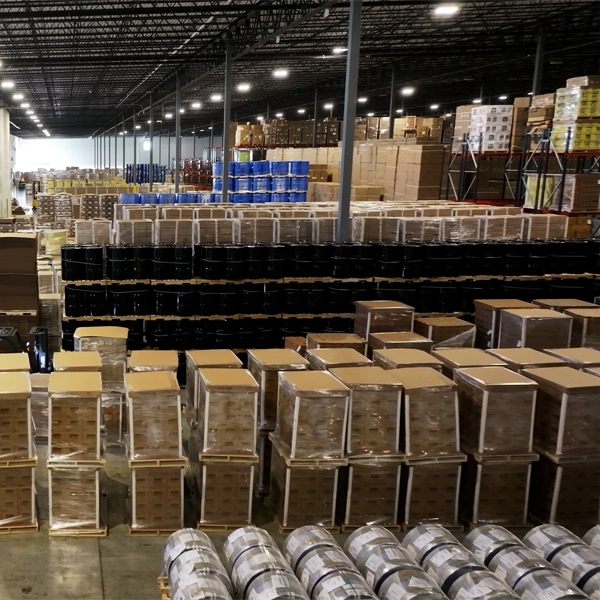
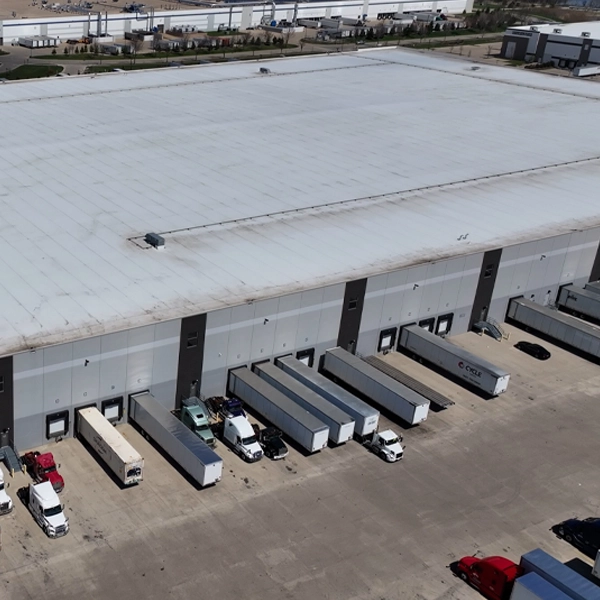
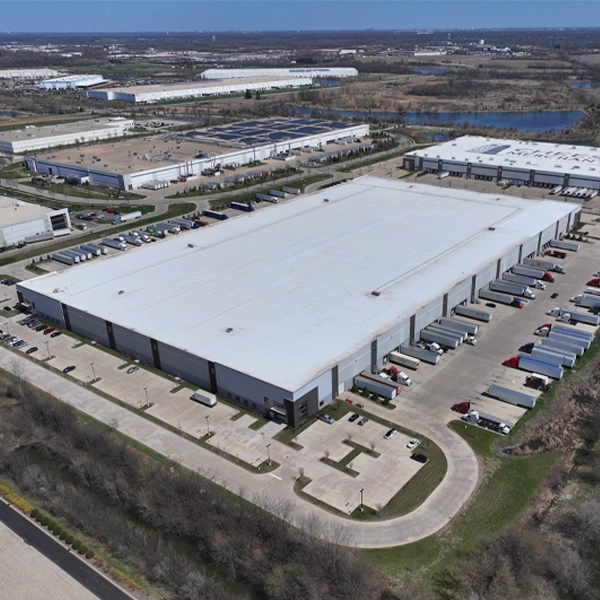
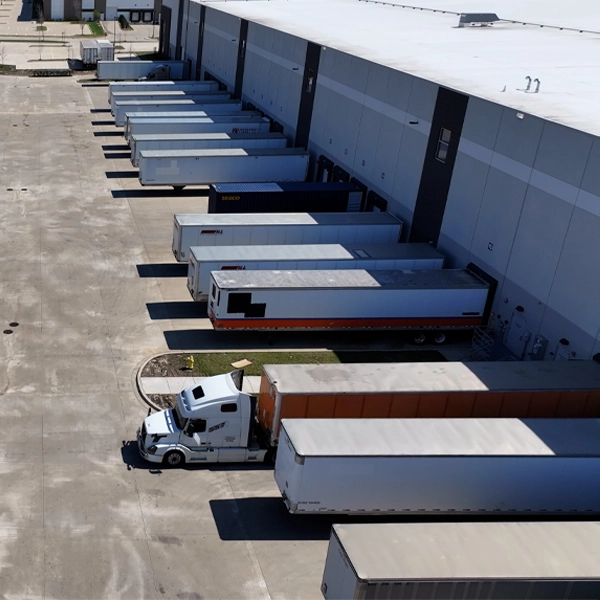
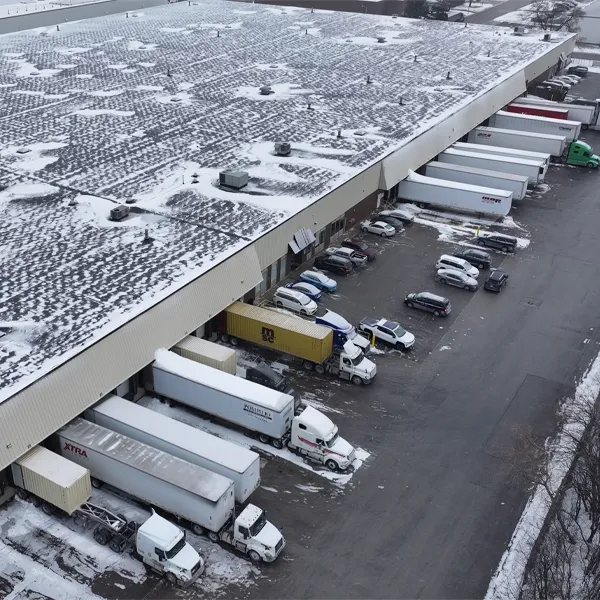
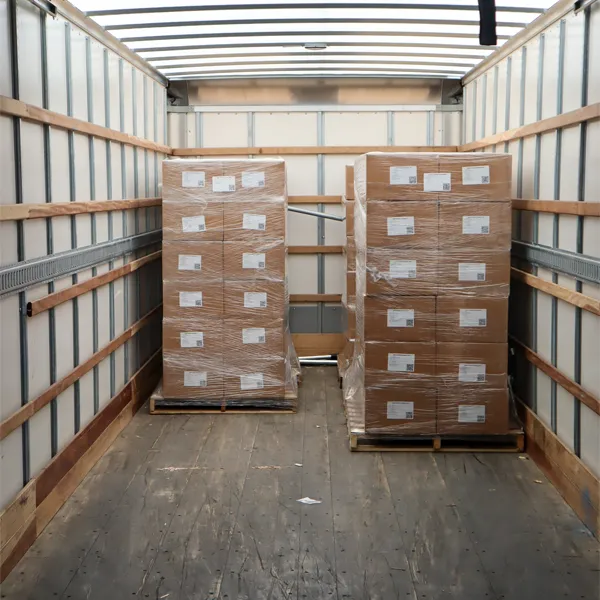
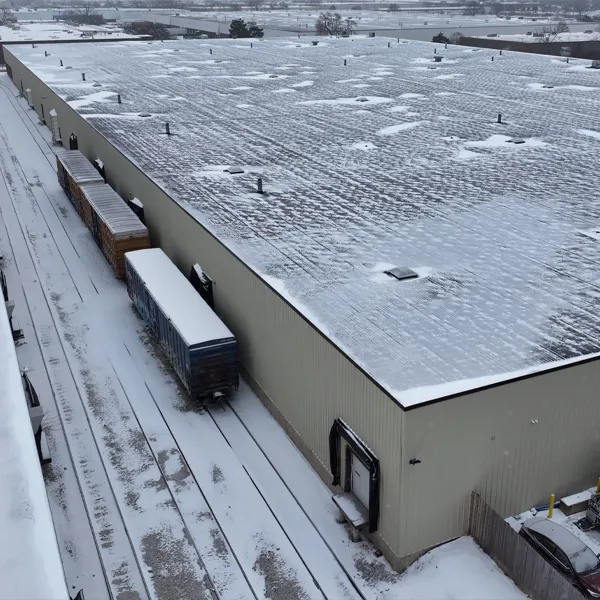
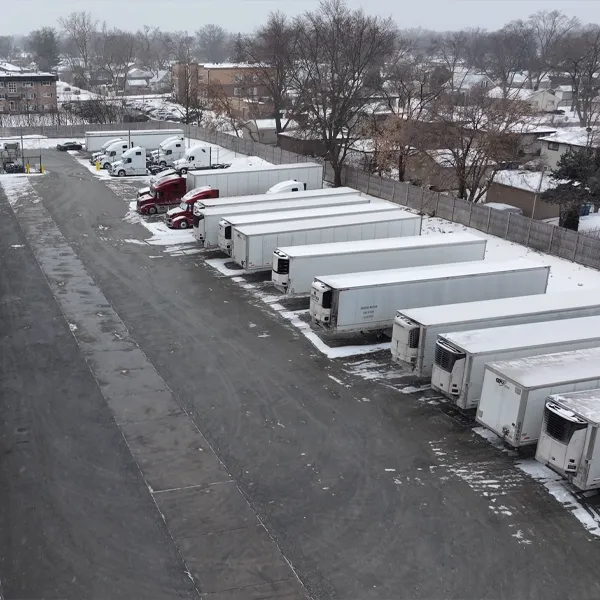
Behind all that trade is a larger logistics network moving goods between borders, ports, warehouses, factories, and distribution centers. Axis Warehouse supports that movement with warehousing, transportation, transloading, and cross-border logistics services throughout North America.