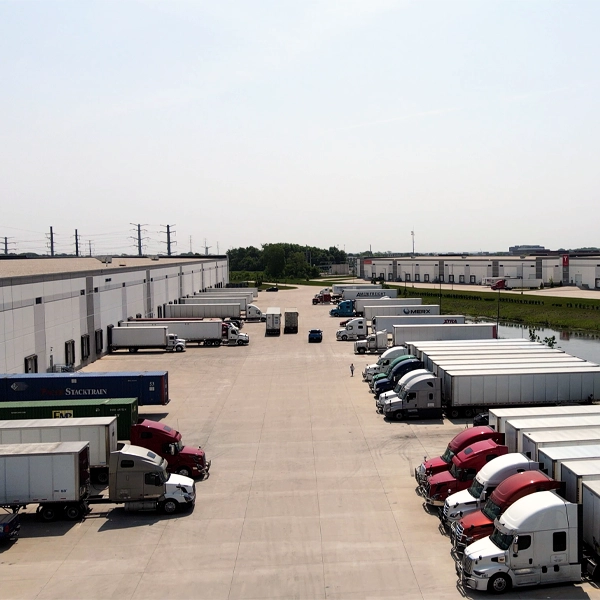
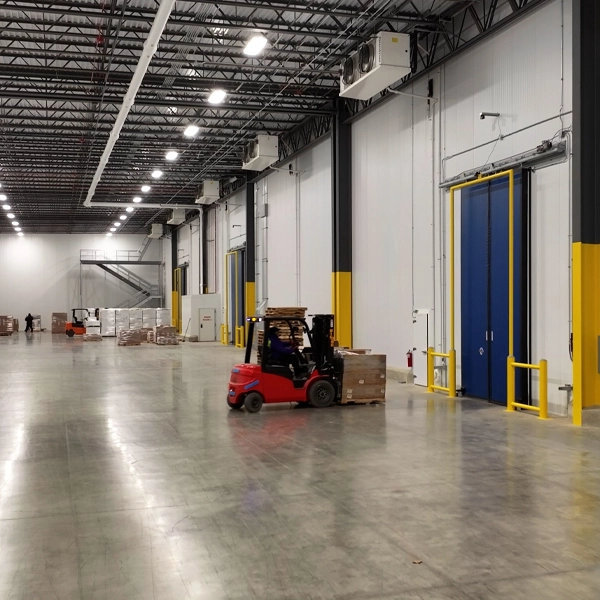
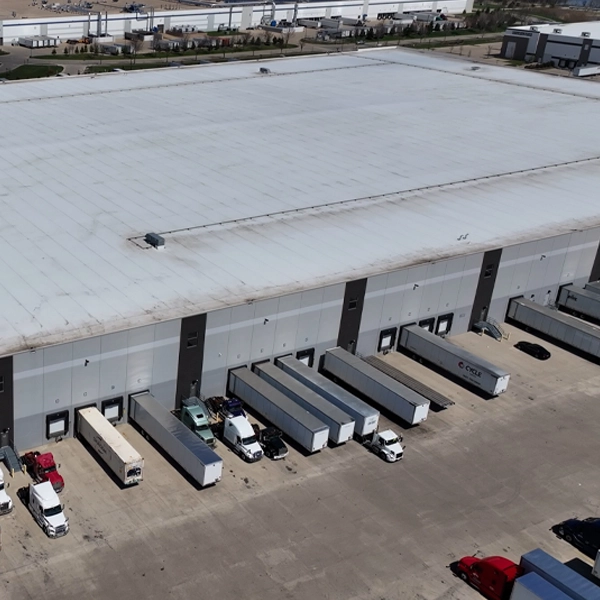
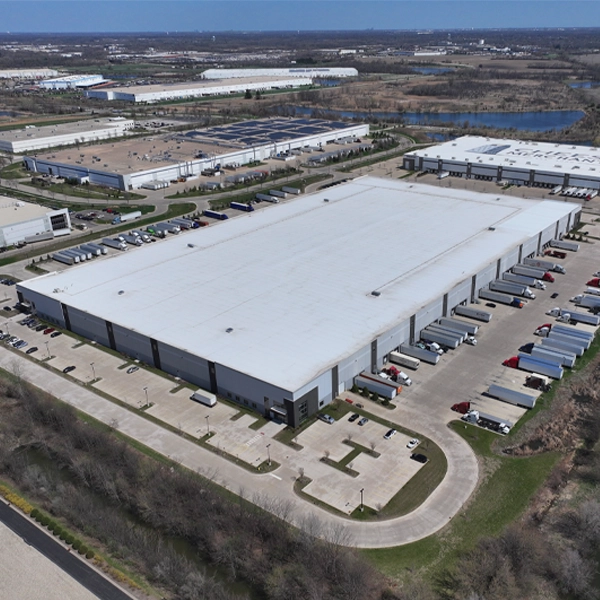
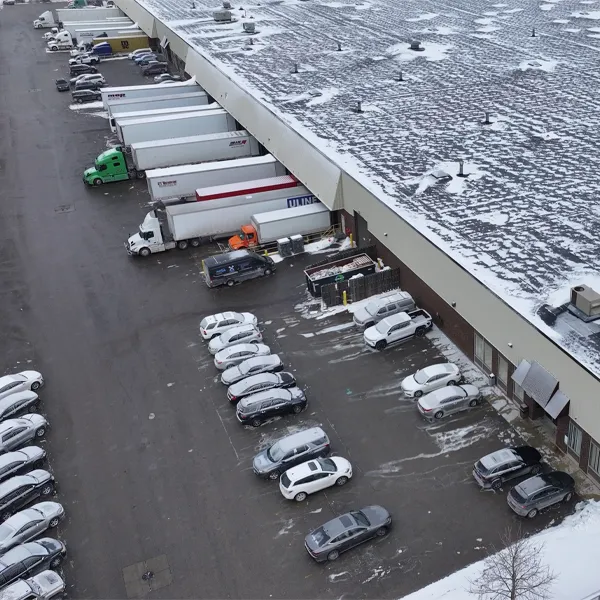
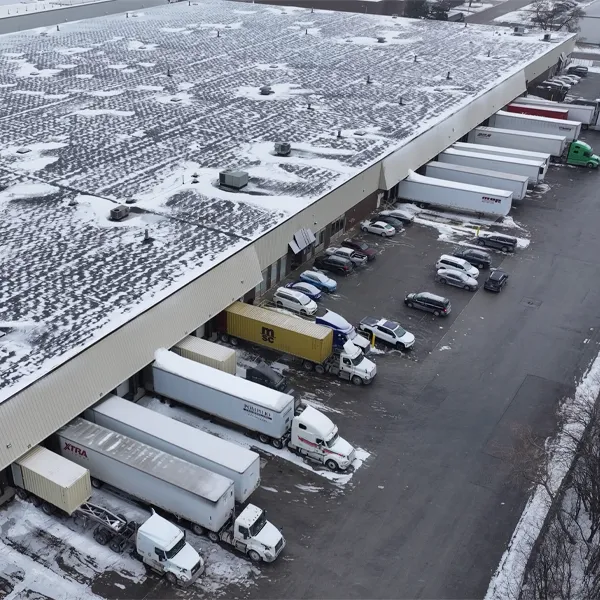
Cross-docking is a logistics process based on efficiency. Freight comes into a facility and goes right back out, with little to no time spent in storage. Instead of sitting on shelves, products are received, sorted, and moved directly onto outbound trucks. In many cases, that turnaround happens within hours. The goal of this process is to keep freight moving and avoid unnecessary stops along the way.
How Cross-Docking Works

As supply chains have gotten faster and more complex, cross-docking has become more common. At its core, cross-docking is about timing and coordination. In many cases, this entire process happens on the same day.
- Inbound delivery arrives: Freight is delivered to a warehouse or distribution facility from a supplier, manufacturer, or port.
- Freight is received and sorted: Instead of being stored, products are immediately checked, organized, and assigned to outbound shipments.
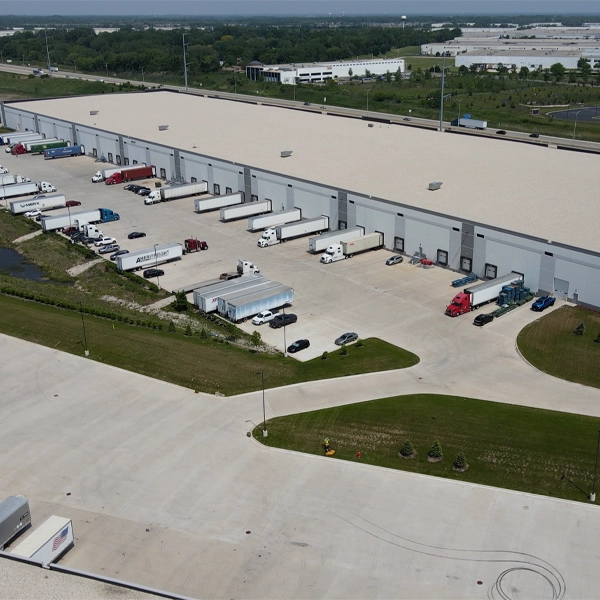
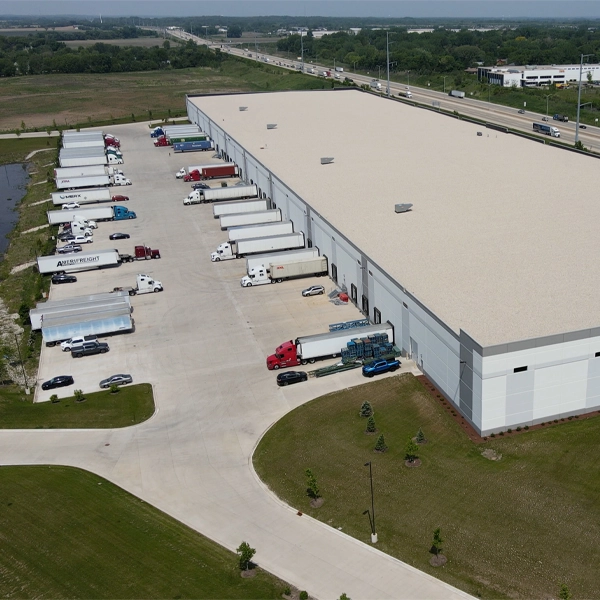
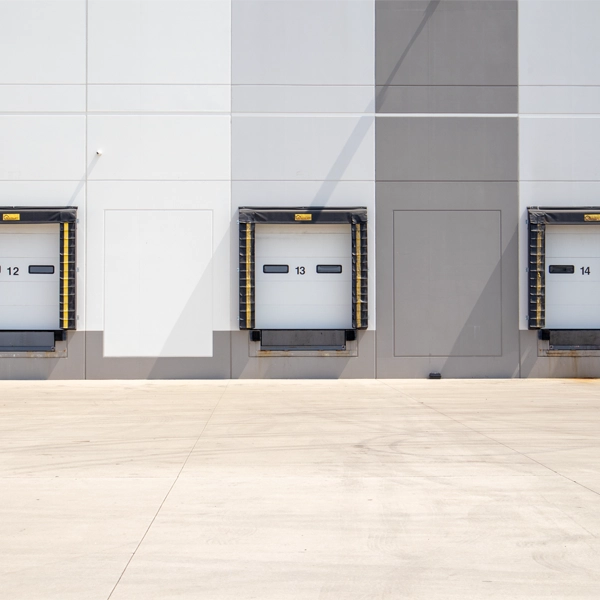
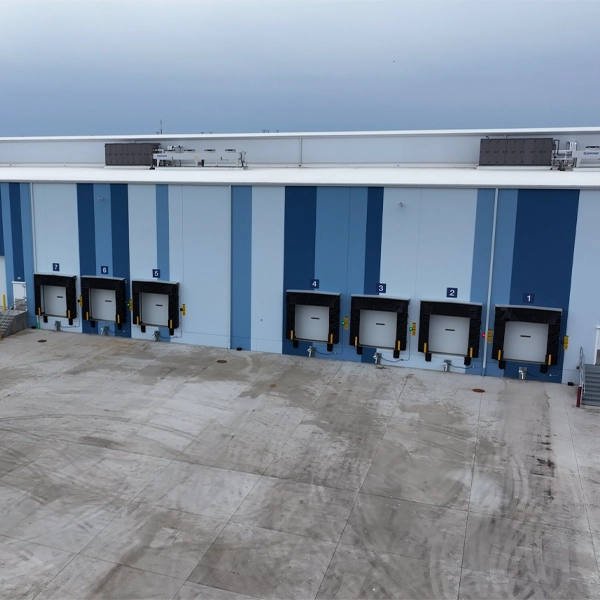
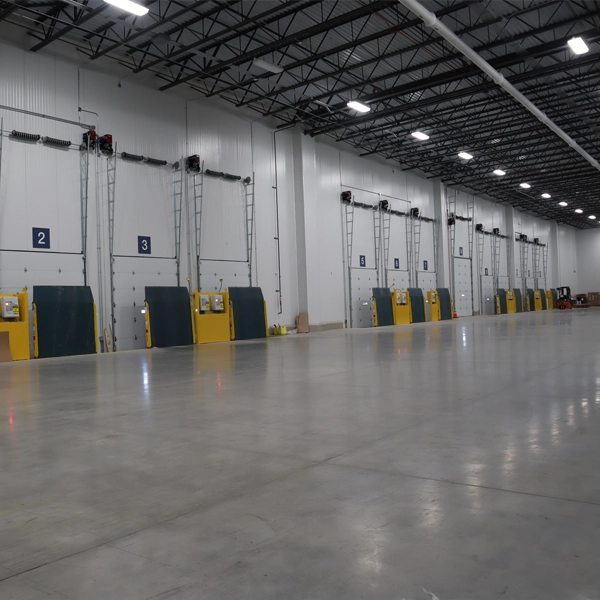
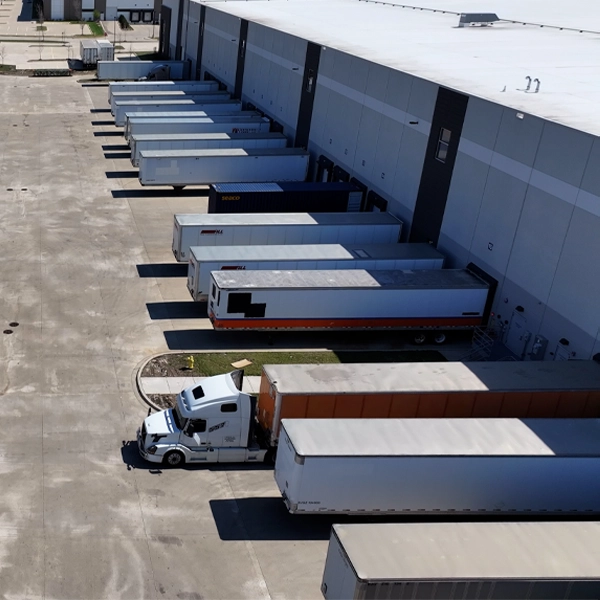
- Transfer across the dock: Goods are moved directly from the receiving dock to the shipping dock. This is where the term "cross-docking" comes from.
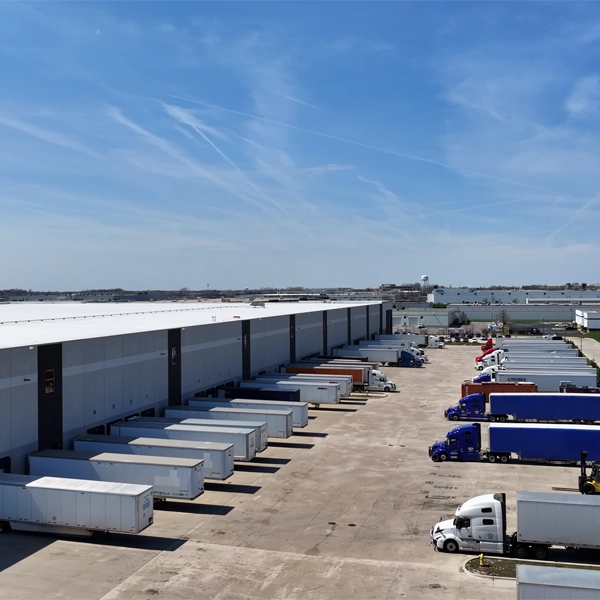
- Outbound shipment departs: Freight is loaded onto trucks headed to its next destination, whether that’s a retail location, another warehouse, or a customer.
Cross-Docking vs. Traditional Warehousing
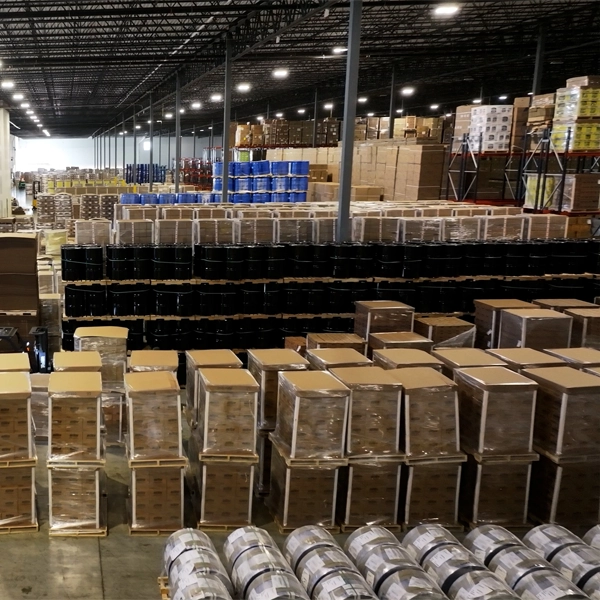
The difference comes down to how long freight stays in one place. Traditional warehousing focuses on storage. Products are received, held, and shipped when needed. Cross-docking focuses on movement. Freight comes in, gets sorted, and goes right back out.
Most supply chains use a mix of both. It depends on the type of product and how quickly it needs to move. To run an effective cross-docking operation, timing and coordination need to be tight. There are a few key pieces that need to be in place:
- Accurate scheduling so inbound and outbound shipments line up
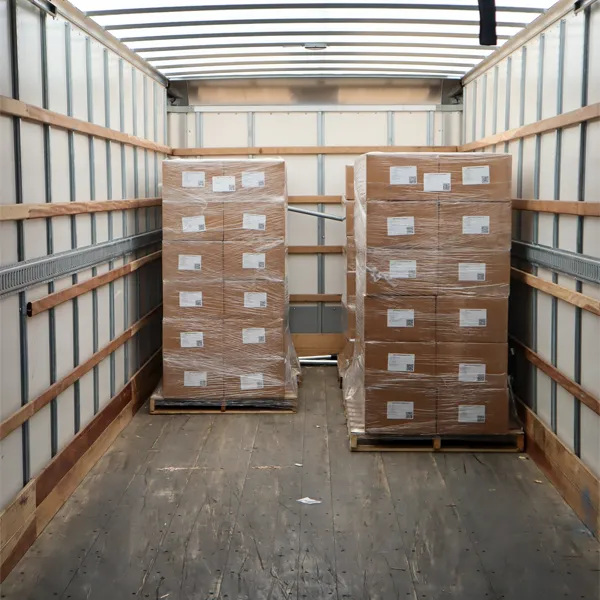
- Clear labeling and documentation to avoid sorting issues
- A facility layout that supports quick movement
- Real-time visibility into shipments
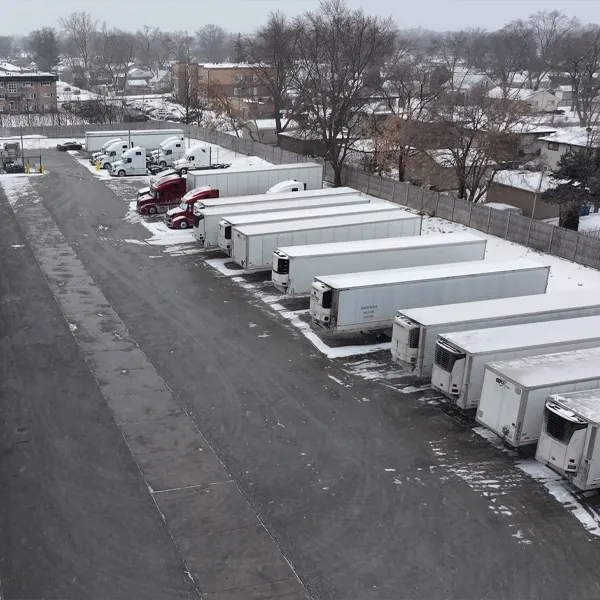
- Reliable transportation partners
If any of these break down, the process slows down quickly.
Types of Cross-Docking
Cross-docking can be set up in a few different ways depending on the operation.
Pre-Distribution
Products are already assigned to specific customers or locations before they arrive. Once received, they are quickly sorted and shipped according to pre-set orders.
Post-Distribution
Freight is received, then sorted and routed upon arrival. This gives more flexibility if plans need to change.
Consolidation
Smaller shipments are combined into a single outbound load. This helps improve efficiency and reduce transportation costs.
Deconsolidation
Large shipments are broken down into smaller loads and sent to multiple destinations.
Benefits of Cross-Docking
It's not about replacing warehousing. It’s about reducing the time freight spends sitting still.
Faster Movement of Goods
Products move through the supply chain more quickly, helping meet tighter delivery windows.
Lower Storage Costs
Less time in a warehouse means fewer storage fees.
Less Handling
Fewer touchpoints reduce the chances of damage, errors, or misplaced inventory.
Better Inventory Flow
Instead of building up stock, goods move through at a steady pace.
More Efficient Transportation
Combining shipments and coordinating outbound loads helps reduce empty space in trucks.
When Cross-Docking Makes Sense
Cross-docking works best when the flow of goods is predictable and time matters. It relies on strong coordination across the board. It is commonly used for:
- High-volume, fast-moving products
- Perishable goods
- Retail distribution with set delivery schedules
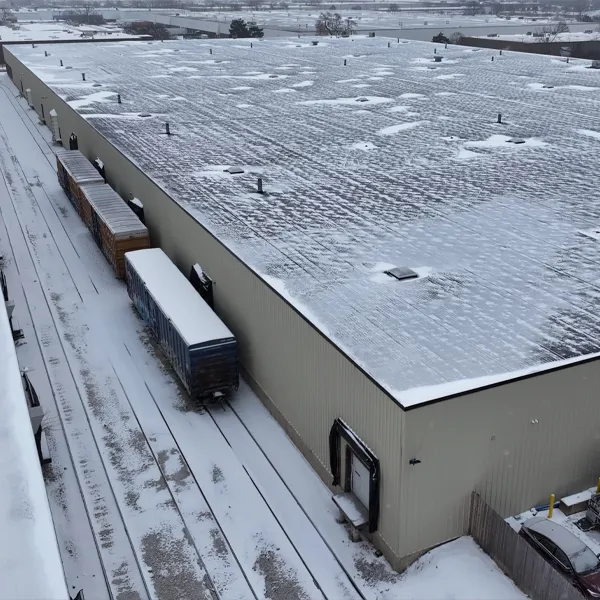
- Freight moving inland from ports
- Pre-packaged or pre-labeled shipments
If products need to be stored for longer periods or require additional handling, traditional warehousing is usually the better fit.
Cross-docking is a straightforward concept, but it only works when the operation behind it is well coordinated. Timing, visibility, and communication all need to line up. Without that, the process can slow down just as quickly as it speeds things up.
If you’re looking for a more efficient way to move freight, Axis Warehouse can help. Our team handles logistics, focusing on speed, accuracy, and reliability. Reach out to learn how we can support your operation.