Freight class is a standardized system for categorizing LTL (less-than-truckload) shipments. In LTL, multiple shipments from different customers share the same truck. Because of that, carriers need a consistent way to evaluate each shipment. Freight class provides that structure. This system helps carriers determine how freight should be handled, how much space it takes up, and how it should be priced.
Determining Freight Class
Freight class was created by the National Motor Freight Traffic Association (NMFTA). This system assigns a classification number to different types of goods based on their characteristics.

There are 18 classes, ranging from Class 50 to Class 500:
- Class 50–70: Dense, heavy items like bricks or metal parts
- Class 85–125: Standard manufactured goods and equipment
- Class 150–250: Lighter or more fragile items
- Class 300–500: Bulky, low-density, or high-risk freight
These are general ranges. Exact classifications depend on the specific product and its packaging.
Shipping carriers use freight class to decide how your freight fits with everything else on the truck. Lower classes generally cost less to ship because they are easier to handle and take up less space. Higher classes cost more due to the added space, handling, or risk involved.
The classification is based on a mix of density, handling, stowability, and liability. Each factor affects how LTL shipments are quoted and handled.
To determine the class accurately, you need:
- Exact weight
- Dimensions
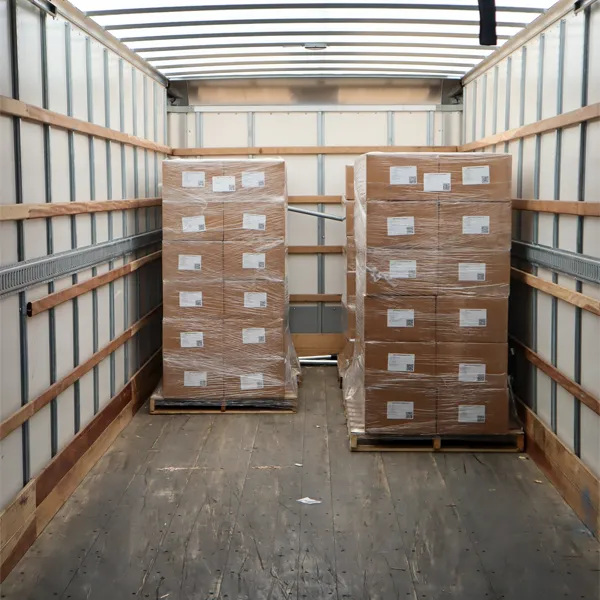
- Packaging type
- Description of the product
From there, you can calculate density and reference the NMFTA classification guidelines.
Determining Factors
Density
Density is the most important factor in determining freight class. It measures how much space a shipment takes up relative to its weight. Heavier, more compact freight takes up less space on a truck, giving it a lower freight class. Lighter, bulkier items have a higher class.
For example, a pallet of bricks will have a much lower freight class than a pallet of empty plastic containers, even if they take up the same amount of space. This is why accurate measurements matter. Small differences in size or weight can change the class and affect the shipping cost.
Stowability
Stowability is how easily freight can be loaded and stored alongside other shipments on the truck. Some products are easy to stack and fit well with other freight. Others require special handling or separation. If a shipment is harder to store with other freight, it may be assigned a higher freight class.
Things that affect stowability include:
- Unusual shapes or dimensions
- Hazardous materials
- Freight that cannot be stacked
- Items that require special positioning
Handling
Some freight is easy to move with standard equipment. Other shipments require special care. The more effort it takes to move the shipment, the higher the freight class.
Factors that may increase handling difficulty include:
- Fragile items
- Heavy or uneven loads
- Freight without proper packaging
- Items that require manual handling instead of equipment
Liability
Liability considers the risk associated with the shipment. This includes:
- Risk of damage
- Risk of theft
- Value of the goods
- Potential for damage to other freight
High-value or easily damaged items tend to have higher freight classes because they pose a greater risk to the carrier.
How Freight Class Impacts Shipping
Lower freight classes typically cost less because they are easier to transport. Higher classes cost more due to increased space, handling, or risk. Still, freight class is not just a pricing detail. It affects how your shipment moves through the entire LTL network.
Accurate classification helps avoid unexpected costs, reduce delays, improve carrier relationships, and keep shipments moving smoothly. It also makes planning more predictable, which is important when you’re managing ongoing shipments.
While the system itself is standardized, applying it correctly still requires attention to detail. Small mistakes can lead to higher costs or delays.
Common Mistakes with Freight Class
- Incorrect dimensions or weight: If the dimensions or weight are incorrect, the density calculation will be incorrect.
- Guessing the class: Assigning a class without verifying it can result in reclassification fees.
- Not accounting for packaging: How freight is packaged affects density and handling.
- Overlooking special requirements: Hazardous materials or unusual freight may require a different classification.
Freight class is a key factor in LTL shipping. If you’re not sure how to classify your freight, Axis Warehouse can help. We work with LTL shipments every day and can help you determine the right freight class, avoid reclassification issues, and keep your freight moving without surprises.