Details matter when regulated products move through the supply chain. Food, beverages, supplements, and other consumables typically pass through multiple facilities before reaching customers. Products may move from ports to warehouses, between transportation providers, and across multiple states in a relatively short amount of time. Along the way, businesses need systems in place to help keep inventory traceable and properly handled. That’s where FDA-registered warehouses come in.
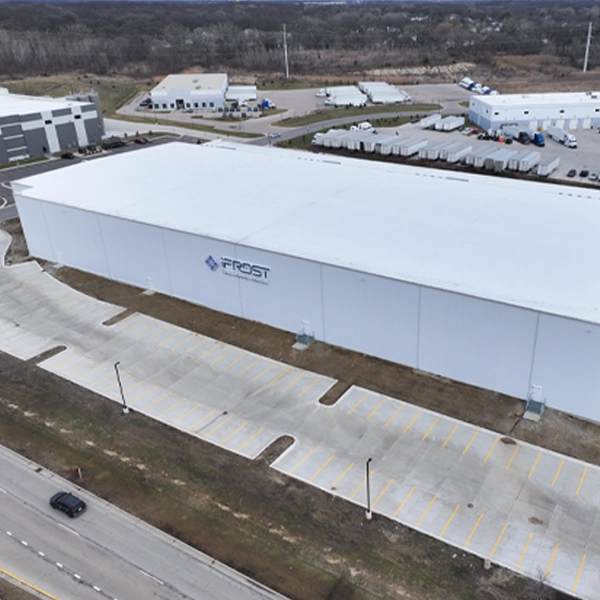
An FDA-registered warehouse is a facility registered with the U.S. Food and Drug Administration to store and handle products under FDA oversight. That can include packaged foods, frozen products, beverages, dietary supplements, pet food, and imported goods.
This system helps create accountability around how products are stored and moved throughout the supply chain. For businesses, it promotes compliance, improves inventory visibility, and upholds consistent handling procedures in everyday operations.

The Difference Between Standard Warehousing and FDA-Registered Warehousing
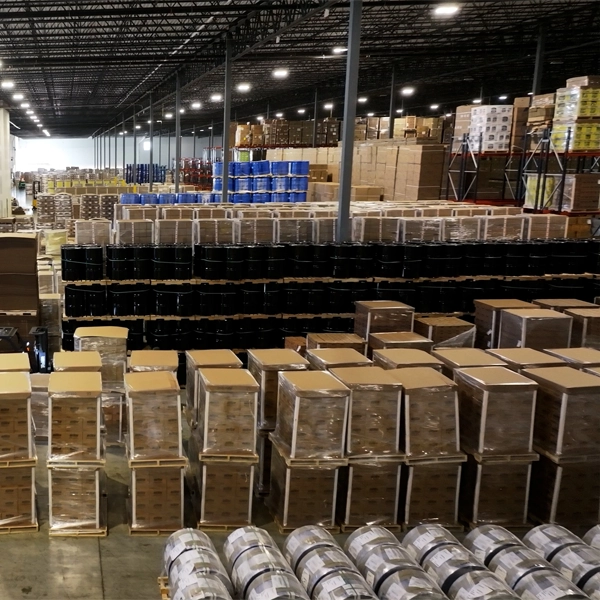
Only select warehouses are built to handle regulated products. A standard warehouse may work well for industrial materials, building supplies, or general freight. FDA-registered warehousing involves additional operational considerations tied to food-grade and consumable inventory. That often includes things like:
- Lot tracking
- Organized inventory rotation
- Detailed shipment documentation
- Product traceability
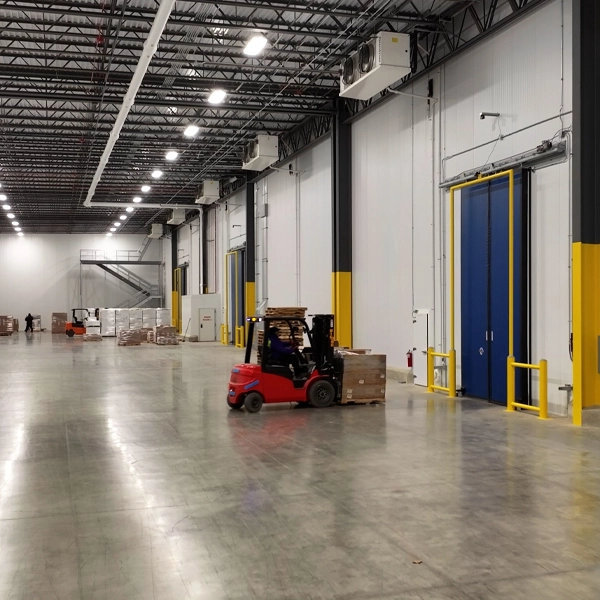
- Temperature-controlled storage
- Structured handling procedures
The purpose is to maintain better visibility and organization as products move through the supply chain. For regulated inventory, those operational details matter.
Why FDA Registration Matters
Products people consume pass through many hands before reaching their final destination. They may travel through ports, distribution centers, warehouses, and freight networks across multiple states. Eventually, products end up at grocery stores, retailers, or fulfillment centers.
For companies handling regulated products, warehousing is about more than available pallet space. Companies also need reliable inventory systems, organized handling procedures, and better traceability throughout the distribution process.
Working with an FDA-registered warehouse can help support:
- Regulatory compliance
- Product traceability
- Better inventory visibility
- Organized handling processes
- Retail and customer requirements
Why Traceability Is So Important
If there’s a product issue, delay, or recall, companies need to know exactly where products have been, where they’re going, and which shipments may be affected. That includes:
- Where the product originated
- Where it was stored
- Which shipments it was part of
- Which lot numbers were affected
Without organized tracking systems, that process becomes much harder.
FDA-registered warehouses often use inventory management and documentation processes that help businesses maintain better visibility throughout the supply chain. That visibility becomes especially important when products are moving quickly between multiple facilities and transportation providers.
Temperature-Controlled Storage
Some regulated products require more than ambient warehouse space. Food products, beverages, and certain supplements may need to be refrigerated or stored in climate-controlled environments to help maintain product quality during warehousing and transportation.
Warehouses handling temperature-sensitive freight have monitoring systems and operational procedures in place to help keep products within required conditions. For products that depend on temperature stability, slight disruptions in storage conditions can lead to larger logistics problems later.
Who uses FDA-registered warehousing?
Many businesses rely on FDA-registered warehousing to help manage storage and distribution. In some industries, using an FDA-registered facility is expected. In others, it may be required depending on the product being stored. A wide range of products fall under FDA oversight.
FDA-registered warehouses are commonly used by:
- Food manufacturers
- Beverage companies
- Grocery distributors
- Importers
- Supplement brands
- Pet food manufacturers
When you’re handling food products, beverages, supplements, or other regulated goods, warehousing is about more than just available storage space. The facility, its processes, and the logistics support behind your inventory all matter.
FDA-registered warehouses create better visibility throughout the supply chain. They also support organized handling, inventory tracking, and daily operations. The right warehousing partner can make a major difference in keeping products moving without avoidable delays.
Axis Warehouse provides FDA-registered warehousing solutions that support growing supply chains with reliable storage, freight coordination, and scalable logistics support. If you’re looking for a warehouse partner that understands the operational side of regulated freight, contact our team to learn how we will support your business.