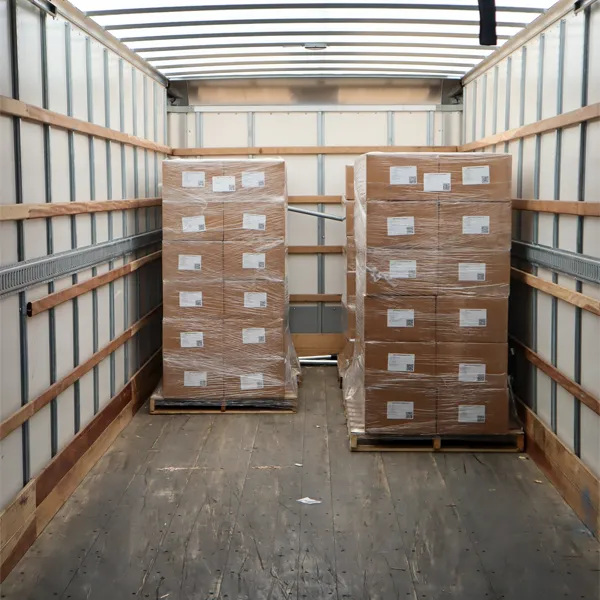
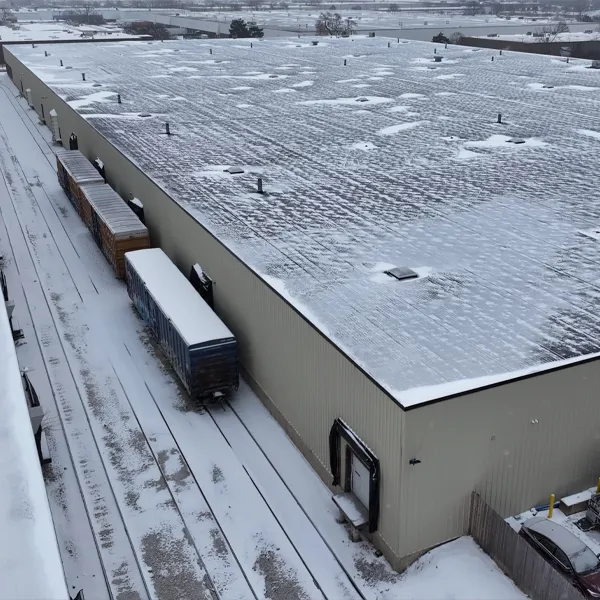
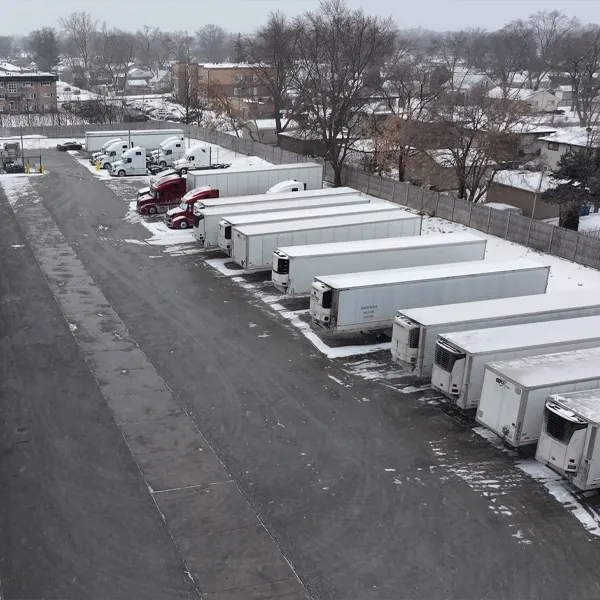
Not every product can be stored in the same kind of warehouse. Some goods can handle temperature changes while keeping product integrity. Others can spoil, separate, melt, freeze, or lose effectiveness if the environment gets too hot or too cold.
Food, beverages, pharmaceuticals, cosmetics, and some industrial materials need more controlled storage conditions. Temperature-controlled warehouses store these products within a specific temperature range. That range depends on the product. Frozen food needs a very different environment than fresh produce, medication, or packaged goods that need protection from extreme heat.
A business may need temperature-controlled warehousing when:
- The product has a required storage range
- Heat or cold can affect product quality
- The inventory can spoil or expire
- Retailers require documented storage conditions
- Seasonal weather creates storage concerns
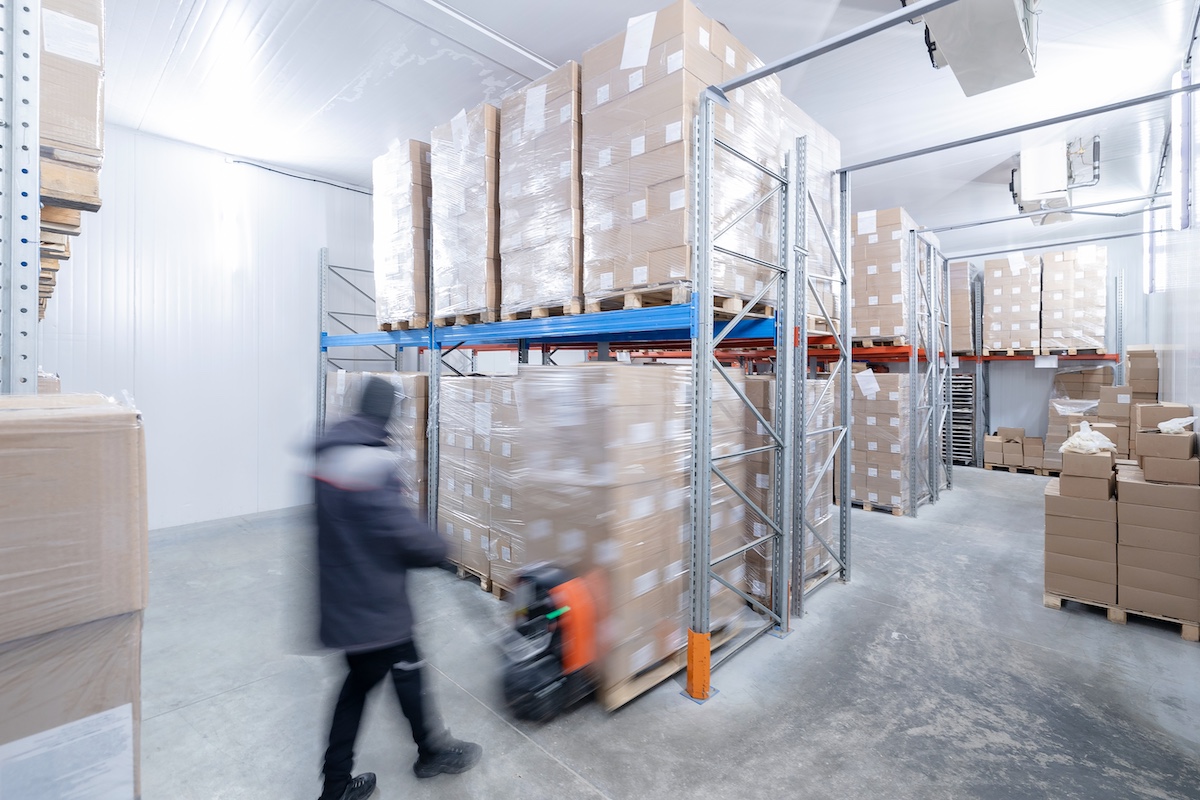
Why Temperature Stability Matters
Cargo can be exposed to changing temperatures several times before they reach the customer. Each handoff creates another opportunity for temperature-sensitive products to sit outside their required range. A warehouse with temperature control provides a stable point between those moves.
Without the right storage conditions, businesses may deal with:
- Spoiled inventory
- Shorter product shelf life
- Changes in texture or appearance
- Damaged packaging
- Reduced product effectiveness
- Rejected shipments
- Recalls
- Unnecessary waste
How Temperature-Controlled Warehousing Works
Temperature Monitoring
Sensors placed throughout the warehouse track conditions in different storage areas. This helps the warehouse team confirm that temperatures remain within the correct range.
Alerts and Notifications
An alert system will notify the warehouse team if the temperature falls outside the acceptable range. This early warning gives employees time to investigate the issue and limit potential damage.
Insulation and Facility Layout
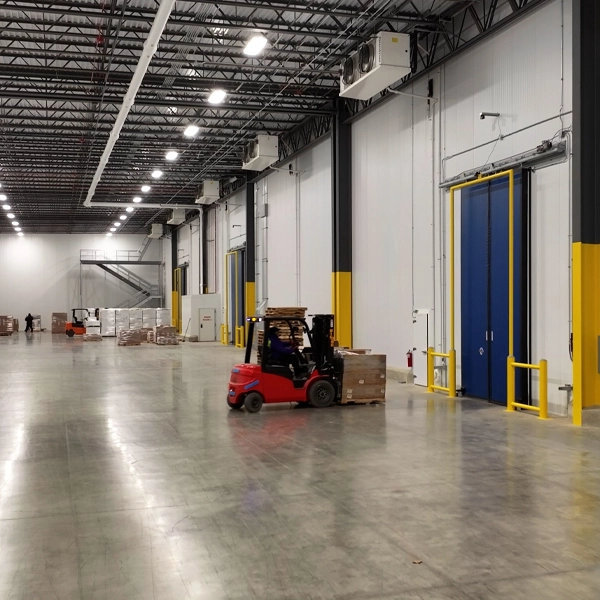
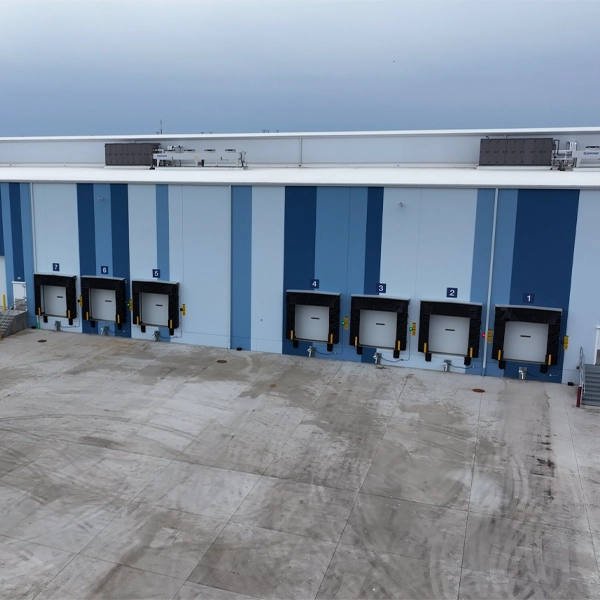
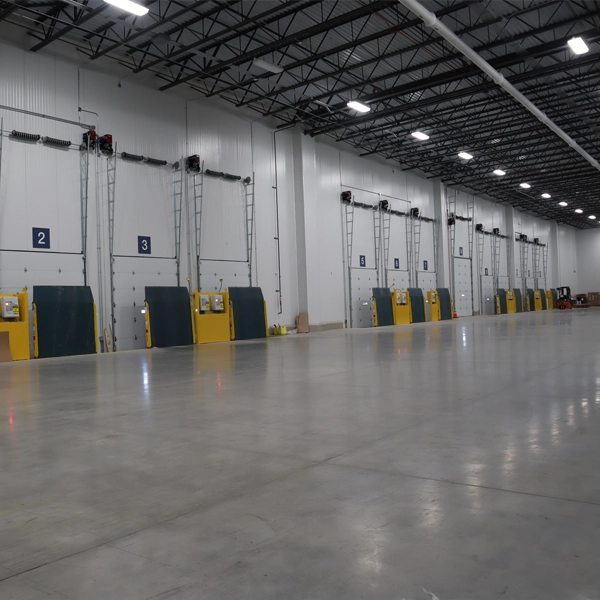
Insulated walls, ceilings, floors, doors, and loading areas help prevent outside temperatures from affecting the storage space. Facility layout matters too. Products should be able to move between the dock and the correct storage area without spending too much time exposed to outdoor conditions.
Backup Systems
A power outage or equipment failure is a serious issue in a refrigerated or frozen warehouse. Backup generators, additional cooling equipment, and emergency plans help protect inventory when something goes wrong.
Handling Procedures
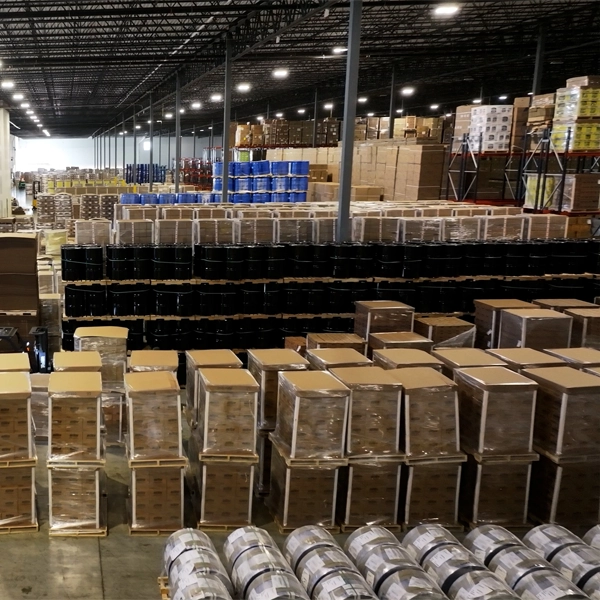
Employees need specific instructions for receiving, storing, picking, and shipping temperature-sensitive products. That includes knowing where each product belongs, how quickly it needs to be moved, and how long it can remain outside a controlled area.
Common Types of Temperature-Controlled Storage
A temperature-controlled warehouse may use refrigeration systems, insulated storage areas, sensors, alarms, and backup power to keep conditions steady. The goal is to keep products at the temperature required for proper storage, not just cold.
Frozen Storage: Used for products that need to remain below freezing
- Meat and seafood
- Frozen meals
- Ice cream
- Frozen ingredients
- Certain prepared foods
Consistency is especially important with frozen goods. If a product begins to thaw and is later refrozen, its quality, texture, and safety may be affected.
Refrigerated Storage: Sometimes called cooler storage, keeps products cold without freezing them
- Dairy products
- Produce
- Beverages
- Fresh ingredients
- Certain pharmaceuticals
The correct temperature can vary by product. Milk, produce, and medication may all be stored in refrigerated spaces, but they do not necessarily have the same requirements.
Products that Need Temperature-Controlled Warehousing
Food and Beverages
Fresh, frozen, and refrigerated foods all have specific storage needs. Even some shelf-stable products can be affected by high heat, moisture, or frequent temperature changes.
Healthcare Products
Certain medications, vaccines, supplements, and medical supplies must stay within a narrow temperature range. Even a small temperature change can affect some products. Pharmaceutical inventory usually requires close monitoring and careful coordination between storage and transportation.
Cosmetics and Personal Care Products
Heat and humidity can change the consistency or appearance of cosmetics and personal care products. Creams, lotions, and makeup may separate, melt, or lose quality when they are stored in the wrong environment.
Chemicals and Industrial Materials
Some chemicals, adhesives, coatings, and other industrial materials can become unstable or less effective when exposed to unsuitable temperatures.
The correct storage conditions help preserve these materials until they are needed for manufacturing, construction, or distribution.
Electronics and Sensitive Equipment
Electronics typically do not need refrigeration, but extreme heat, cold, and humidity can cause damage. Condensation, overheating, and moisture can affect packaging and sensitive equipment.
The Cold Chain
Temperature-controlled warehousing is just one piece of the cold chain. This is the entire process of moving temperature-sensitive products from where they're made to where they're ultimately delivered. Along the way, those products may travel on refrigerated trucks, pass through warehouses, or move through ports.
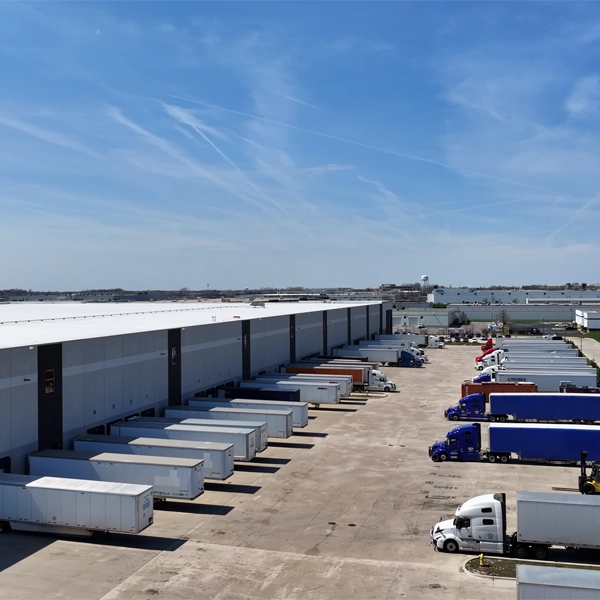
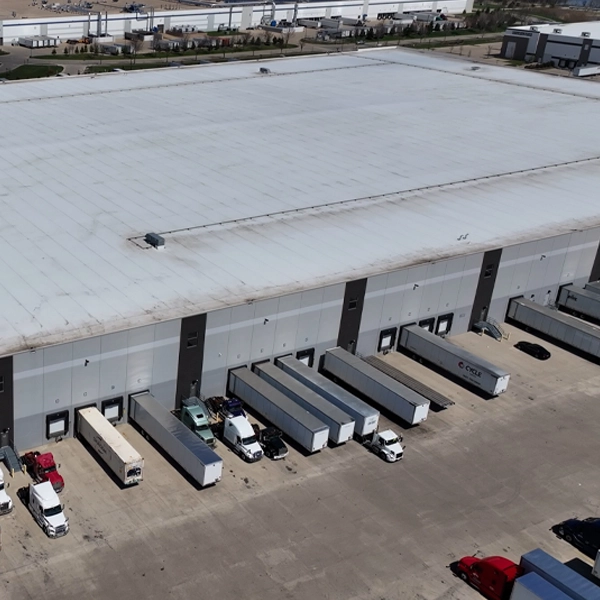
The challenge is that every handoff creates another opportunity for something to go wrong. A truck can be delayed, a trailer door can stay open too long, or products can spend more time at the loading dock than they should. Even if a warehouse keeps products at the correct temperature, poor handling during receiving or shipping can still affect product quality.
That's why warehouse teams track lot numbers, expiration dates, inventory locations, and product movement to help retain visibility throughout the supply chain. Those records are especially valuable if there’s a recall or products need to be traced back to a specific shipment.
Every step of the cold chain matters. Products need to be stored, tracked, and transported under the right conditions to help preserve their quality and arrive as expected. That takes more than refrigerated space. It takes a warehouse team that understands how temperature-sensitive freight moves through the supply chain.
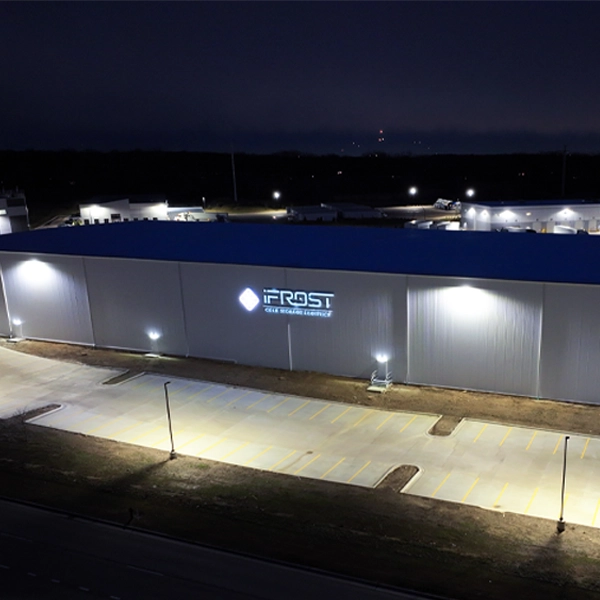
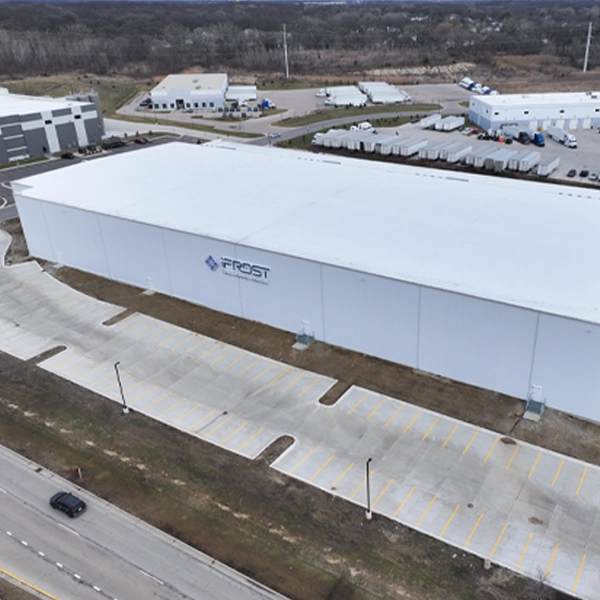
Axis Warehouse provides temperature-controlled warehousing through iFrost, with cooler and freezer storage designed to support food-grade and temperature-sensitive products. Combined with our transportation and logistics services, we help businesses maintain an efficient cold chain from receiving to final delivery. Contact our team to learn how we could support your operation.